
How the Blood Plasma Industry is Changing in 2026 and Beyond
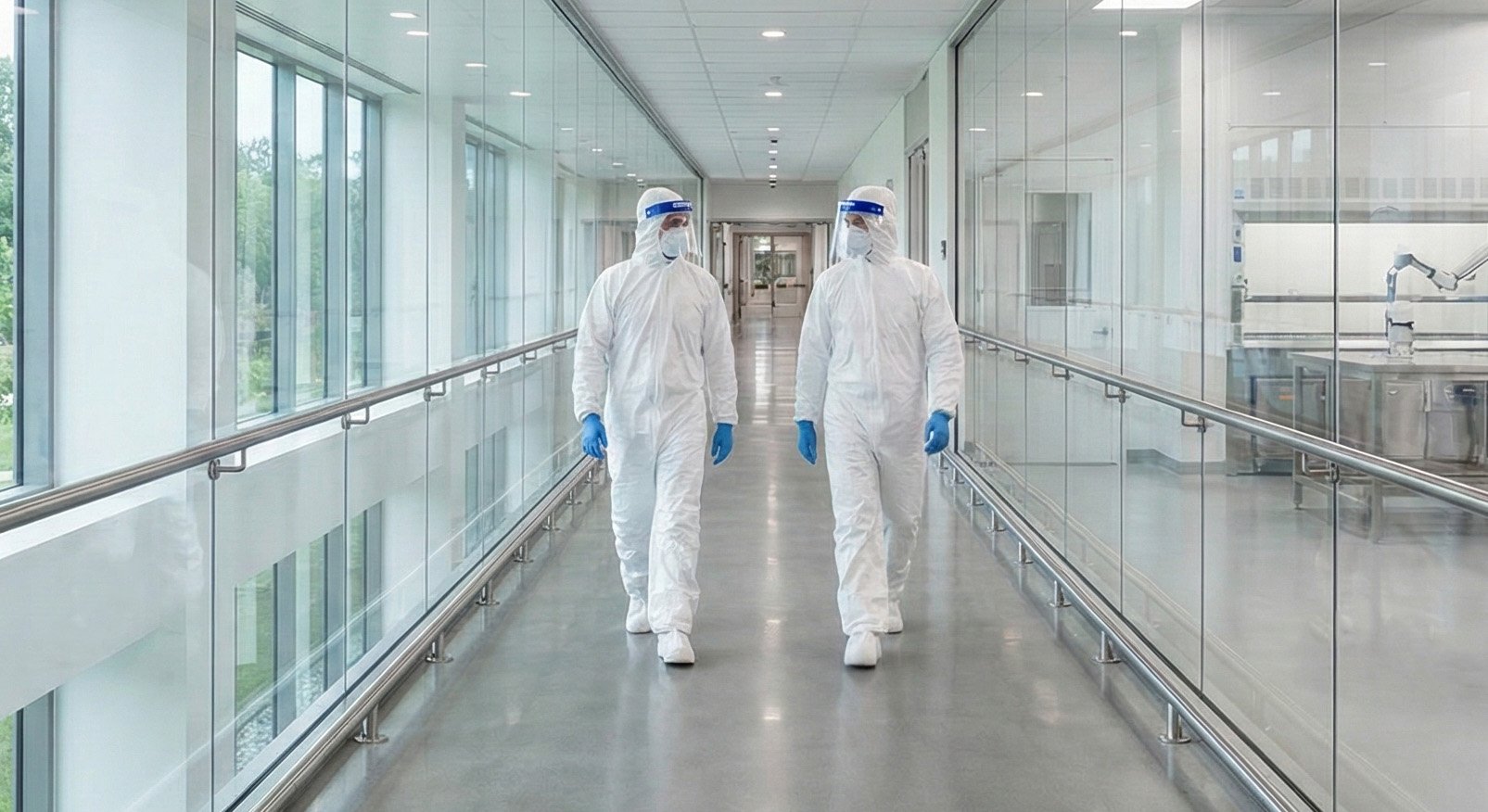
A few trends worth understanding if you work in or around plasma collection infrastructure.
The plasma industry looks different than it did five years ago, and the trajectory suggests the next five years will bring continued evolution. Collection volumes are increasing as demand for immunoglobulin therapies grows. Regulations around refrigerants are tightening. The labor market for skilled technicians remains constrained. These developments have implications for how facilities are built, equipped, and maintained.
Demand and throughput
Global demand for plasma-derived therapies continues to grow. The plasma fractionation market is currently valued at roughly $35 billion and is projected to approach $50-60 billion by 2030. Immunoglobulins account for the majority of that demand, used primarily in treating neurological and immunological conditions.
This growth translates directly into higher collection volumes. Plasma therapies are volume-dependent in a way most pharmaceuticals aren't. Patients need a certain quantity of protein, that protein comes from human donors, and the relationship is essentially linear. More patients receiving treatment means more liters collected.
Higher collection volumes mean more donors moving through facilities, more equipment running, and more frozen product in storage and transit. Newer apheresis systems have also changed the math by completing donations faster than older equipment. A facility with the same bed count can now process more donors per day, which concentrates operational activity and affects things like heat load and electrical demand.
The supply picture varies by region. North America accounts for more than half of global plasma collection and has continued expanding its collection center footprint. Europe, which restricts paid donation, imports a significant portion of its supply and faces projected shortfalls in the coming years. This imbalance has prompted some countries to revisit their collection policies and invest in domestic capacity.
Refrigerant transitions
Environmental regulations are driving changes in cold storage equipment. Hydrofluorocarbons, standard for decades, are being phased down due to their global warming potential. The AIM Act in the US and F-Gas regulations in Europe establish the timelines.
New installations increasingly use natural refrigerants like CO2 or hydrocarbons. These come with different engineering characteristics. CO2 systems operate at higher pressures, which affects component specifications and technician training requirements. Hydrocarbon systems introduce flammability considerations relevant to facility design and safety protocols. The installed equipment base will look different in a few years than it does today, and the transition affects both new construction and replacement decisions for existing facilities.
Technician availability
The shortage of qualified refrigeration technicians is well documented and persistent. Training pipelines aren't keeping pace with retirements, and ultra-low temperature work requires specialized knowledge that narrows the available pool further. This isn't unique to plasma—it affects pharmaceutical cold chain, biotech, and research facilities broadly.
Remote monitoring and predictive maintenance have become more common partly in response to this reality. Equipment that reports its status continuously allows problems to be identified earlier and helps technicians arrive better informed when site visits are necessary. The emphasis in service relationships has shifted somewhat from reactive repair toward prevention and uptime management.
Questions about any of this? We're happy to talk.