

The EPA's 2026 Refrigerant Rule in Simple Terms
Back in May, the EPA published a final rule revising how and when certain refrigeration equipment has to move away from high-GWP refrigerants. The official Federal Register document is 47 pages long, and most of it is legal background, economic analysis, and responses to public comments.
For many, this is quite a dense read, but you do need to know what the rule changed, what it left alone, and what has happened since it was published.

GMP Compliance for ULT Storage in Blood Plasma Banks
In the highly regulated world of blood plasma processing and storage, adherence to Good Manufacturing Practice (GMP) is required. Regulatory bodies like the FDA require stringent controls to ensure the safety, efficacy, and quality of plasma-derived therapies. Ultra-low temperature (ULT) storage is a critical control point within this framework, and maintaining GMP compliance for plasma freezers involves several key elements.

A Practical Guide to IQ, OQ, & PQ Protocols
In regulated industries like pharmaceuticals and biotech, the standard for critical equipment is extremely high. For any piece of equipment that can impact product quality or patient safety—especially critical systems like ultra-low temperature (ULT) freezers—you must have objective, documented proof that it works exactly as intended, every single time. This rigorous process of proof is known as validation, and it is a cornerstone of Good Manufacturing Practice (GMP).

A Guide to Varying Cold Storage Temperatures
The various levels of temperature—4∘C, −20∘C, −80∘C—can seem arbitrary. It's possible to conceptualize cold storage as a city with different neighborhoods, and each neighborhood has its purpose.

Equipment vs. Expertise: The NWR Difference
When sourcing ultra-low temperature (ULT) refrigeration for critical applications such as pharmaceuticals, biomedical, scientific refrigeration, life sciences, etc. it’s tempting to focus solely on the equipment specifications. While high-quality freezers are essential, they are only one piece of a complex puzzle. True operational reliability, efficiency, and compliance in demanding, GMP-regulated environments stem from a deeper source: expertise. This is where NWR Inc. distinguishes itself – offering not just machinery, but a comprehensive, expert-driven partnership.

Common Challenges in ULT Refrigeration for Blood Plasma
Blood plasma is a vital component used in life-saving therapies. Getting it from a donor to a patient involves a complex journey, and one of the most critical steps is keeping it consistently frozen at ultra-low temperatures (ULT). This ensures the plasma remains stable and effective. However, maintaining these extremely cold conditions, often between -25°C and -86°C, comes with several significant challenges for facilities involved in plasma processing and storage.
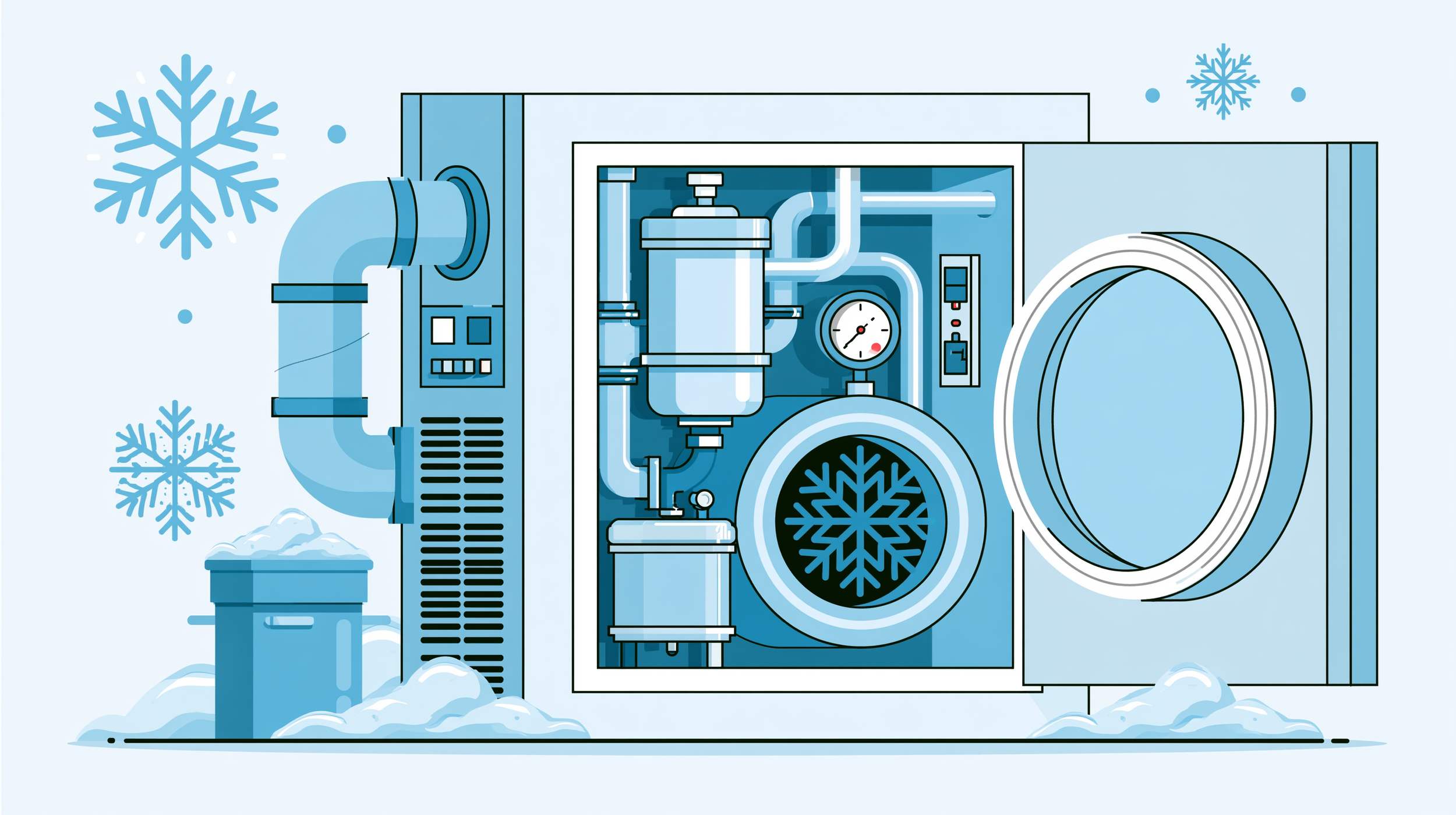
Signs Your Commercial Freezer Needs Service Before It Fails
Equipment failures rarely come out of nowhere. Usually there are warning signs, things that seem minor or easy to ignore, until one day the system goes down and you are scrambling to protect product in the middle of the night. Here are a few things to watch for so you can catch problems while they are still small.
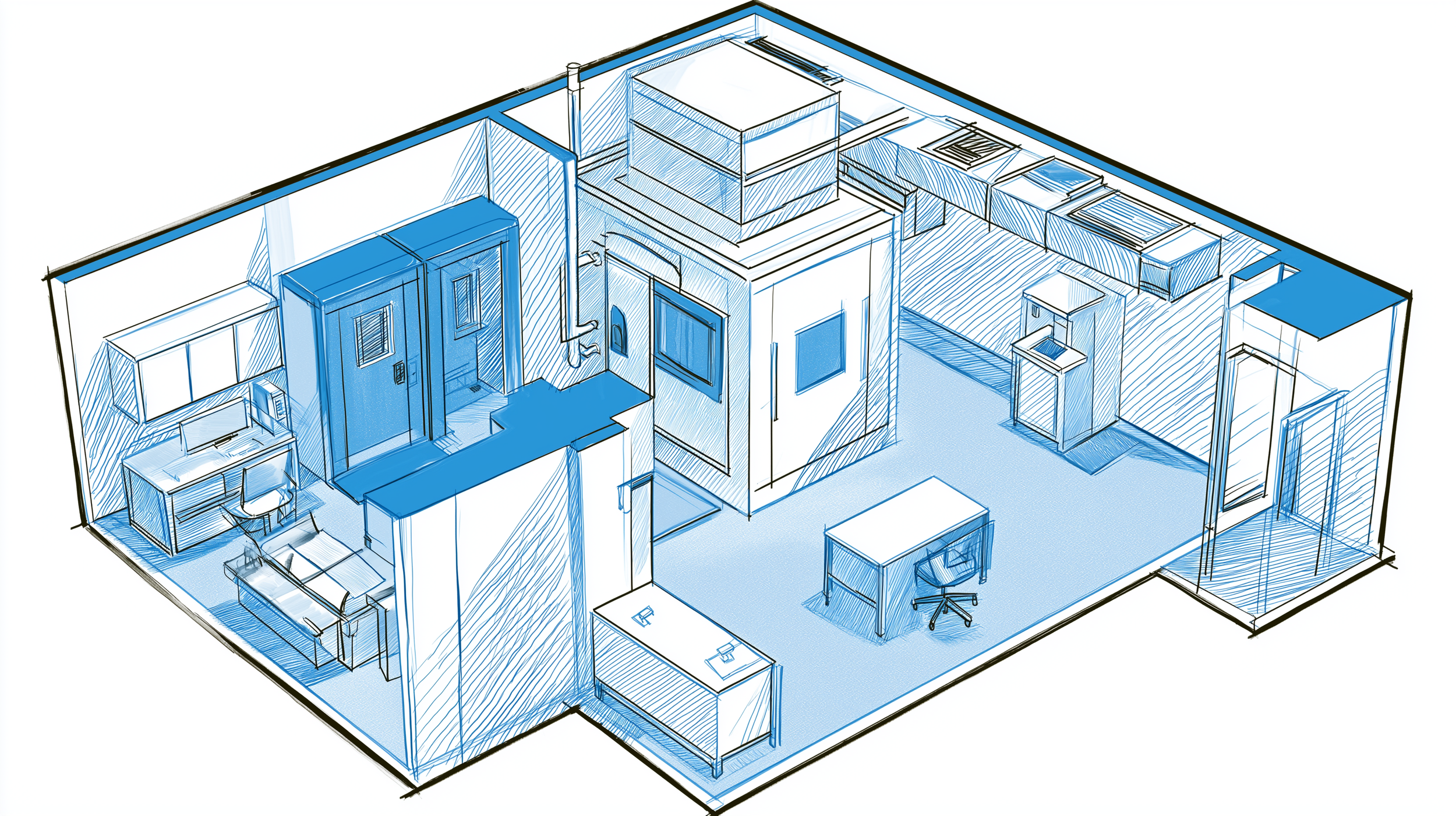
What Does Your Facility Need to Support Ultra-Low Equipment?
An ultra-low system doesn't just drop into an open spot on the floor. It pulls a serious amount of power, throws off large amounts of heat, and only performs as well as the room around it allows. The surprises that blow up an installation are almost always facility surprises, and they show up late, when they're most expensive to deal with.
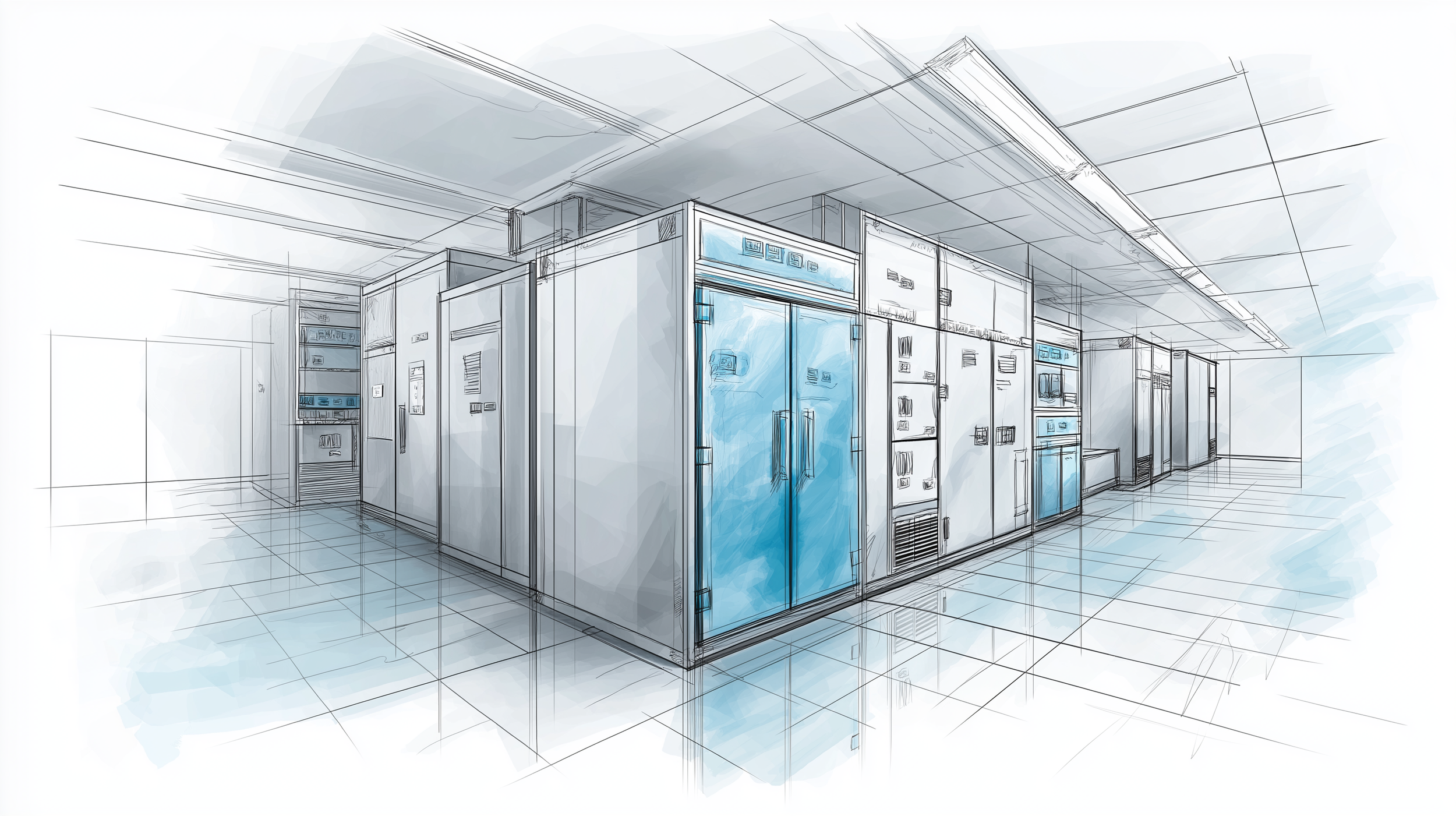
How to Evaluate Whether to Repair or Replace Aging Cold Storage Equipment
Every piece of cold storage equipment has a lifespan. At some point, the cost of keeping it running starts to approach (or exceed) the cost of replacing it, and the risk of failure starts to outweigh the convenience of avoiding replacement. The challenge is figuring out where that inflection point is before a critical failure forces the decision for you.

How the Biologics Pipeline Is Driving Demand for ULT Cold Storage
Global biologics sales surpassed $400 billion in 2025, and the pipeline keeps growing. As of early 2026, more than 7,200 biologics were in active development globally. Roughly one in three newly approved drugs is a biologic, and over 85% of those require some form of cold chain management.

The One Conversation That Can Save You Thousands On Custom Refrigeration
Our most successful projects start with a simple conversation. You tell us your business goals, what you need to store, and your plans for growth.
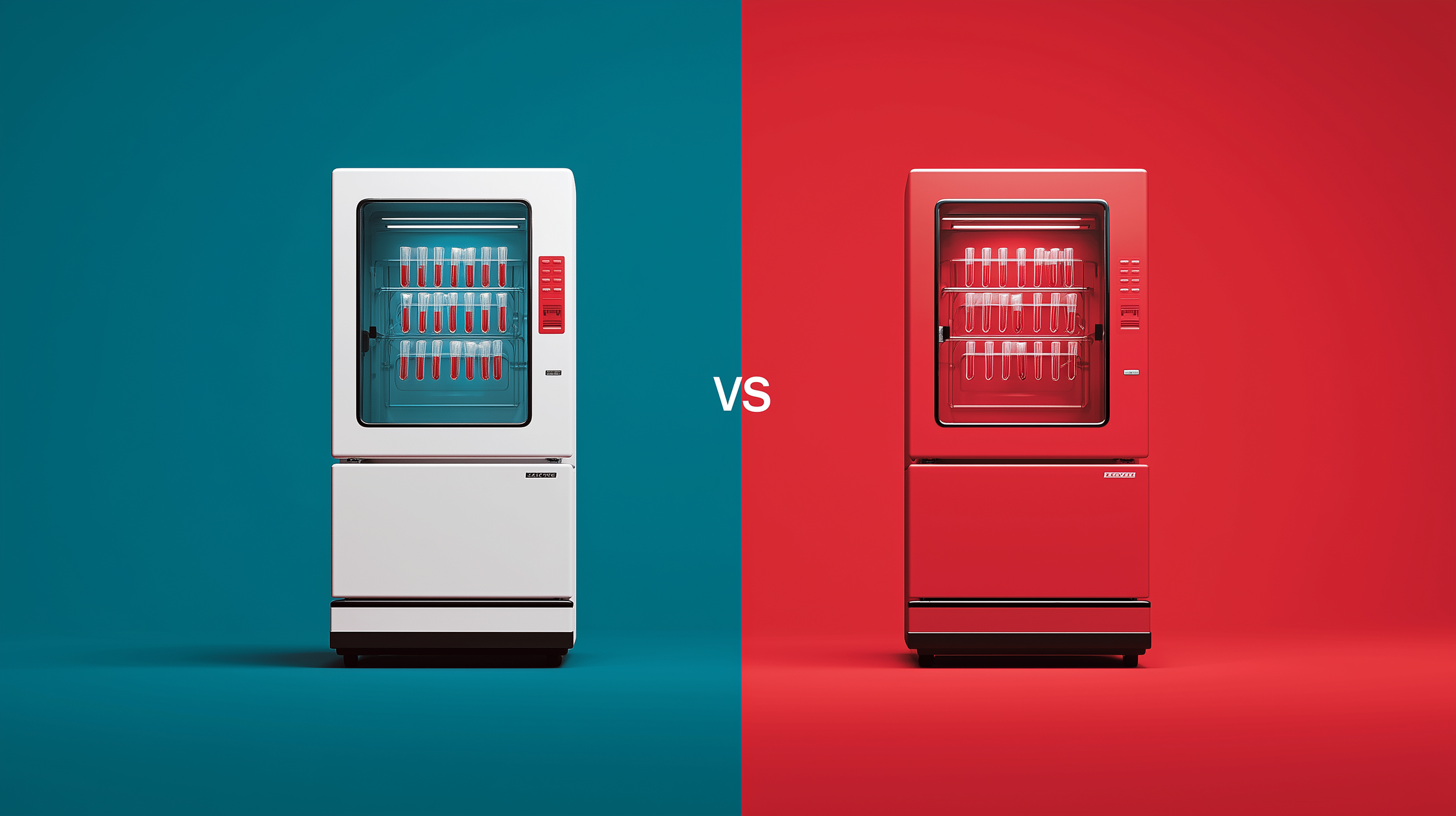
Blood Bank Freezer vs. Plasma Freezer: What's the Difference?
If you've spent any time sourcing cold storage equipment for a blood center, hospital transfusion service, or plasma collection facility, you've probably seen "blood bank freezer" and "plasma freezer" used almost interchangeably. In practice, these terms often refer to the same category of equipment, but the distinction matters more than most people think, and getting it wrong can create compliance problems.

Does Your Cold Storage Equipment Need Revalidation? How to Know, and What to Do About It
Validation doesn't end when the final PQ report gets signed. That's the part people sometimes forget. The IQ/OQ/PQ process proves that a piece of equipment was installed correctly, operates within spec, and performs reliably under real conditions. But it proves those things at a specific point in time, in a specific location, under specific circumstances. When something changes, the question comes up: is this equipment still validated?

Temperature Mapping vs. IQ/OQ/PQ: What's the Difference and When Do You Need Both?
We hear this question regularly: "We had our freezer temperature mapped. Doesn't that mean it's validated?" The short answer is no. Temperature mapping and IQ/OQ/PQ qualification are related but distinct activities, and confusing the two can leave your facility exposed during an audit.

The FDA's New QMSR Is Live. Here's What It Means for Your Equipment Validation
As of February 2, 2026, the FDA's new Quality Management System Regulation is in effect. If you work in pharma, biotech, or blood plasma and rely on validated equipment to store high-value products, this change affects you. Here's what happened and what you should be paying attention to.
Five Forces Reshaping Cold Storage in 2026
Regulatory frameworks are being rewritten. The refrigerants your systems run on are being phased out. The technicians who service your equipment are harder to find. New therapies are demanding temperatures your current infrastructure may not support. And the tools used to monitor all of it are getting smarter.

How the Blood Plasma Industry is Changing in 2026 and Beyond
The plasma industry looks different than it did five years ago, and the trajectory suggests the next five years will bring continued evolution. Collection volumes are increasing as demand for immunoglobulin therapies grows.
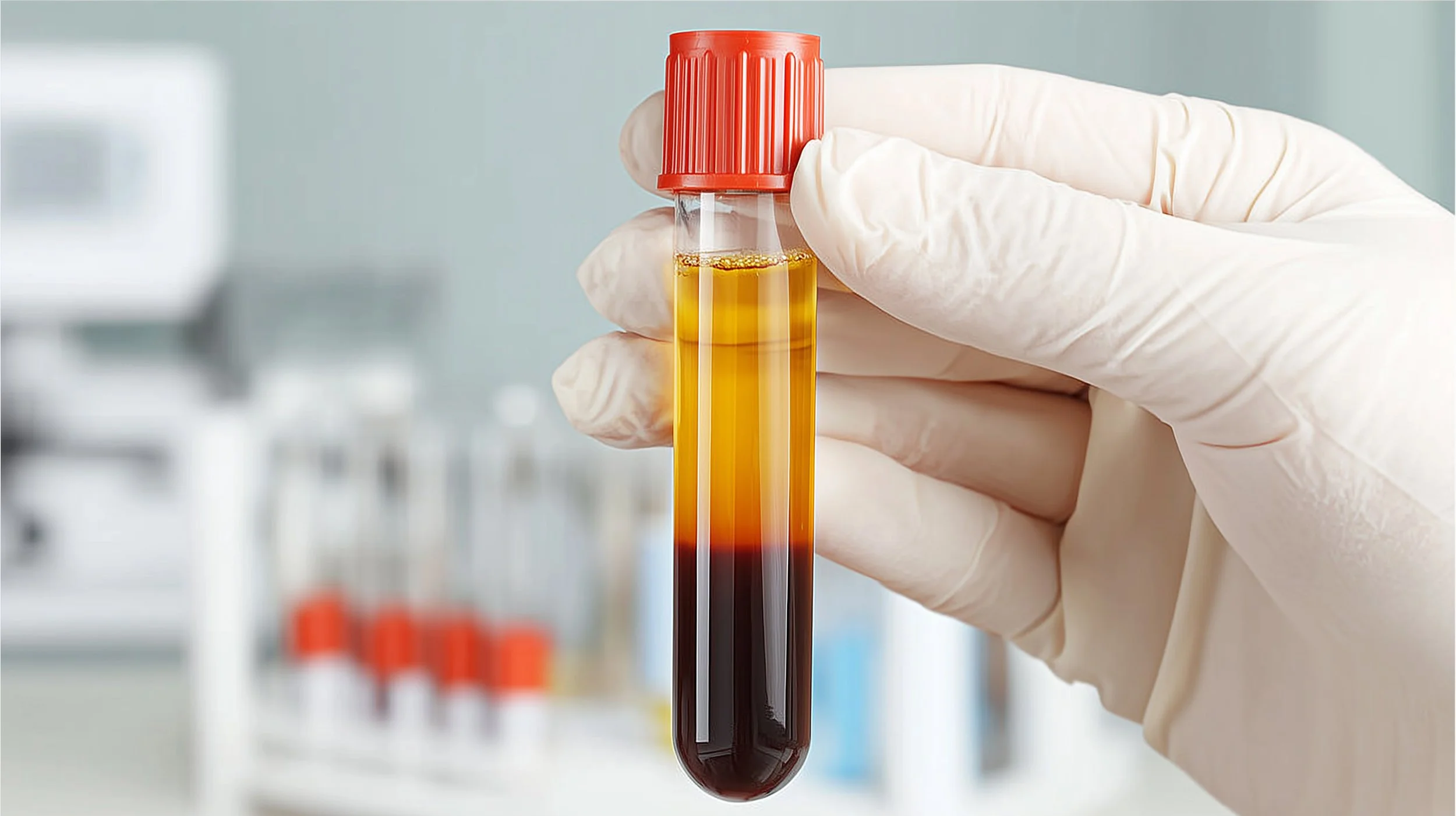
What to Figure Out Before Your Next Facility Expansion
The decisions that shape your expansion happen before architects or vendors ever get involved. Thorough planning doesn't guarantee a trouble-free project, but it does tend to keep things closer to budget and schedule while producing space that actually serves the operation well.
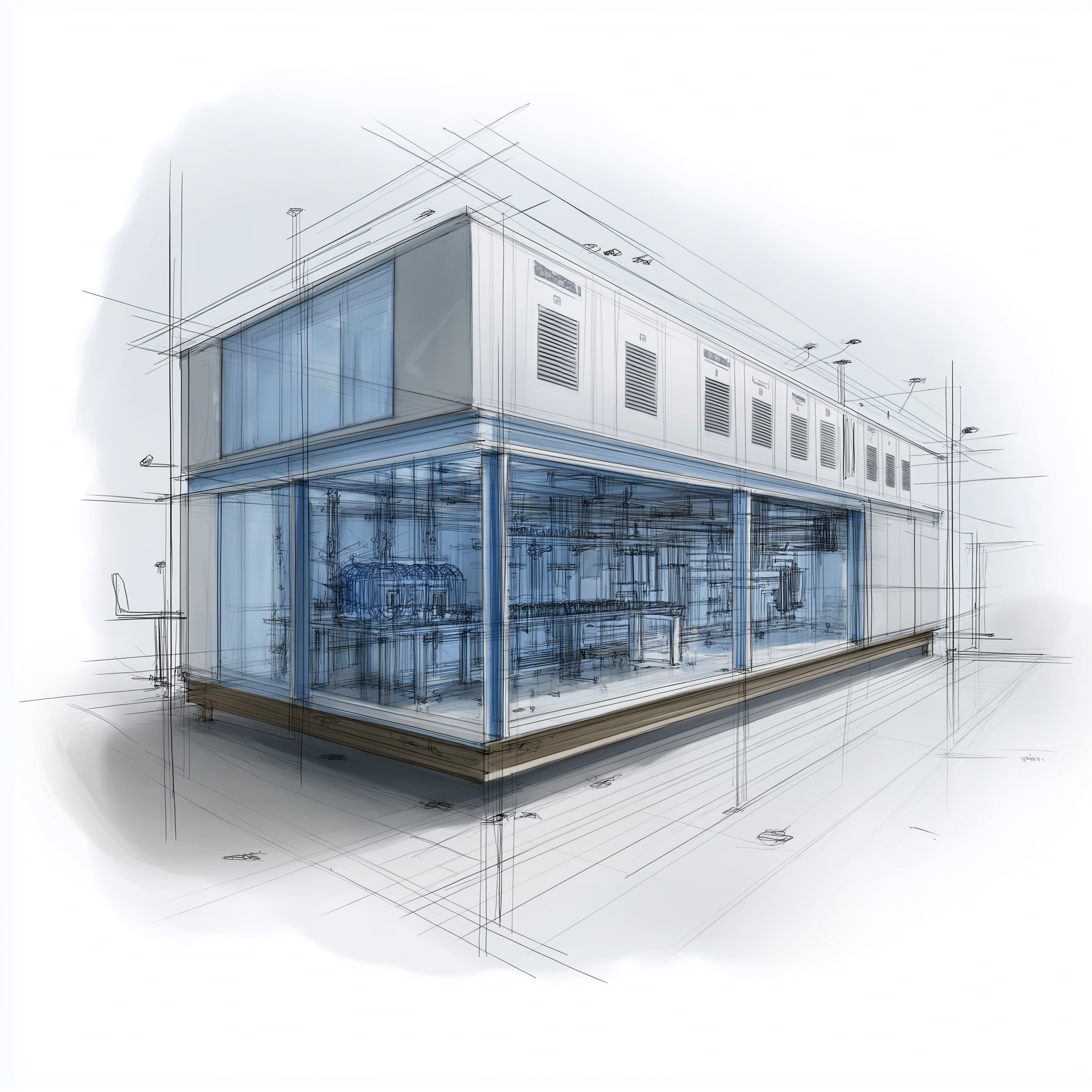
Why the Right Partner Matters as Much as the Right Equipment
When you start looking at custom refrigeration, we’re sure your instinct is to focus on the equipment itself. What temperature can it hold? What is the capacity? What does it cost? These are all reasonable questions, but they only get you part of the way.
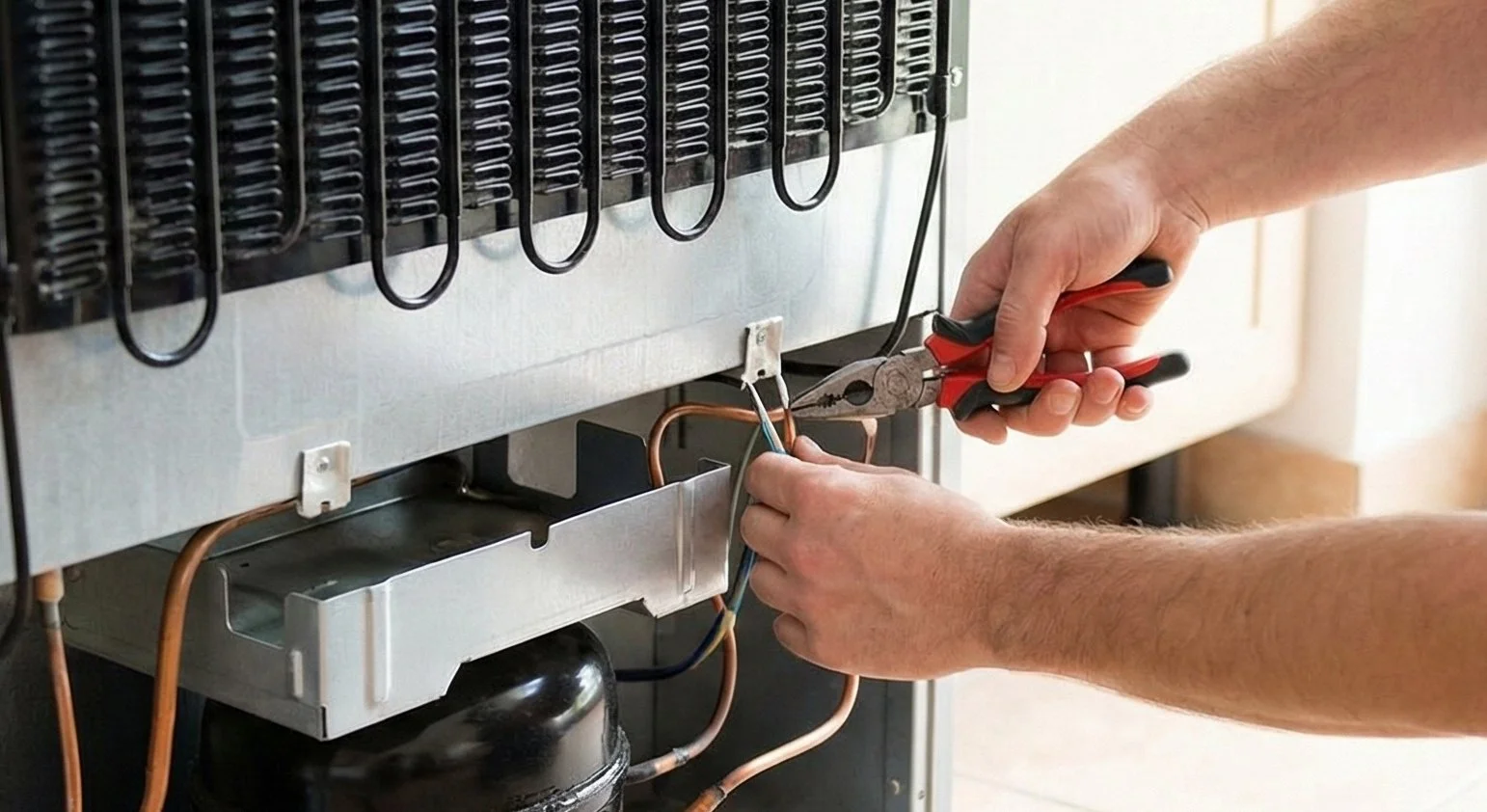
Why Ultra-Low Freezers Fail Differently Than Standard Equipment
If you manage ULT freezers, you already know they require more attention than typical refrigeration. But understanding why can help you make better decisions about maintenance and service partnerships.