
What Does Your Facility Need to Support Ultra-Low Equipment?
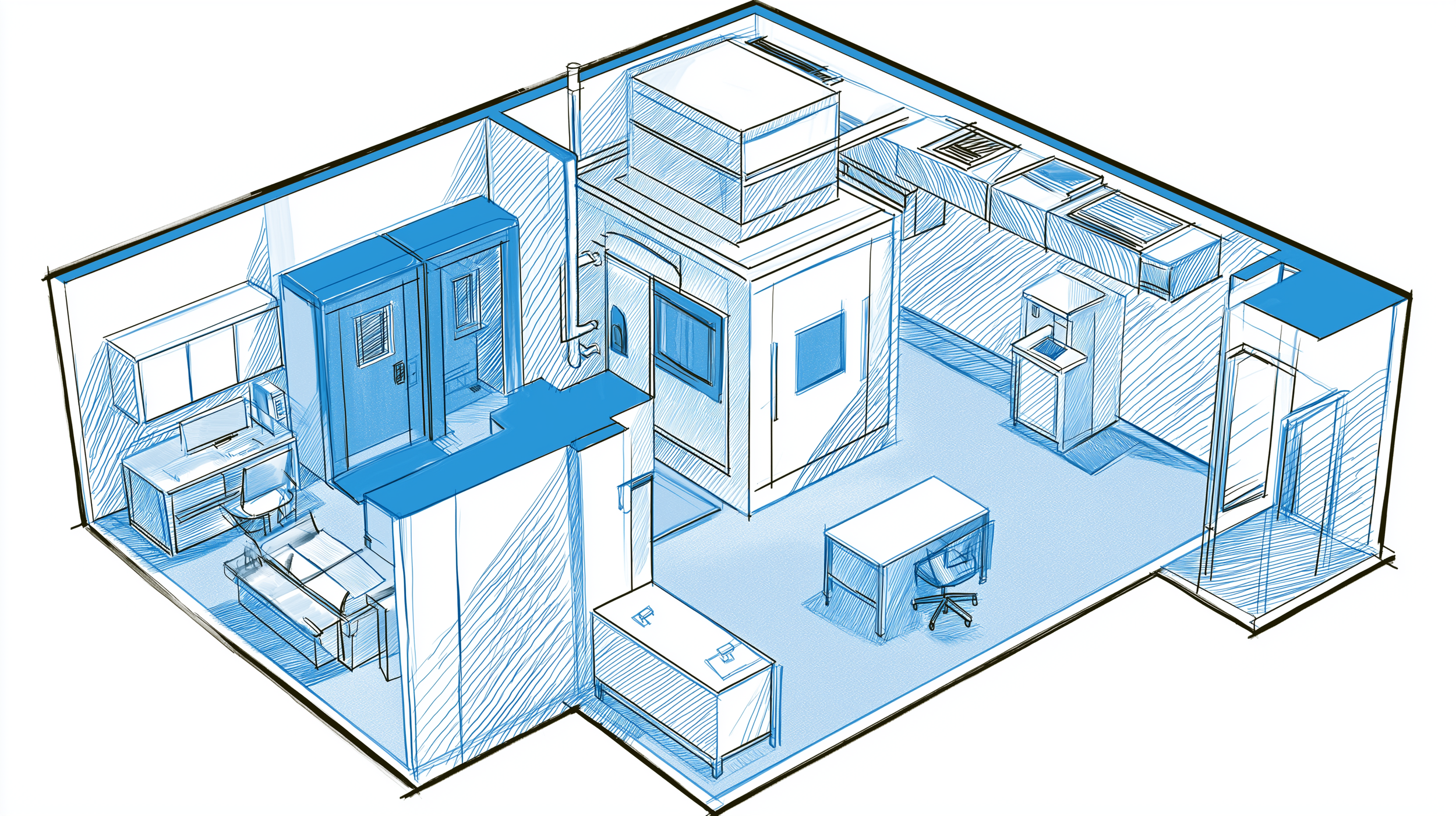
An ultra-low system doesn't just drop into an open spot on the floor. It pulls a serious amount of power, throws off large amounts of heat, and only performs as well as the room around it allows. The surprises that blow up an installation are almost always facility surprises, and they show up late, when they're most expensive to deal with.
Here's what the space actually has to handle:
Heat
Pulling heat out of a chamber means dumping it somewhere else, and an ultra-low system rejects a real amount of it into the room. One unit, no problem. Pack several into a tight space and you can overwhelm the building's cooling, because all that rejected heat lands on your HVAC. So the cost and capacity of cooling the room is part of the real cost of the storage. Account for that added load while you're planning the room, before the units arrive and the space starts running warm.
Power
This is where facility planning matters most, and where it most often gets missed. Ultra-low systems want consistent, correct voltage. Low or unstable voltage can cook the compressor and shorten its life, so a dependable supply has a direct line to how long the equipment lasts. Larger systems often need their own circuits and specific power configurations, and a building's existing capacity doesn't always match what a new system asks for. Sort the electrical picture out early, including whether you need upgrades or multi-voltage options. Few things sting like a complex system sitting idle while you wait on an electrician.
Air, and room to work
A system needs to breathe. Give it enough space to move air across the condenser and enough room for a technician to actually reach it for service. Crowd it and you lose on both fronts. Tight or enclosed spots sometimes call for water-cooled condensers instead of air-cooled ones, a design choice you want settled early, before the install is underway. Ambient temperature plays in here too. Most units are rated to run in a space that stays between roughly 15°C and 32°C, about 59°F to 90°F, and the air-cooled condensers most of them use lose efficiency as the room gets hotter. A spot in direct sun, next to a heat source, or jammed in a corner with no airflow forces the system to work harder.
The floor
Weight is easy to forget until it's a problem. These units are heavy, and larger or walk-in systems put real load on whatever floor holds them. The unit also has to sit level to run right and an uneven slab undermines that. Walk-ins add a wrinkle most people never think about: the floor underneath often needs heating to keep ground moisture from freezing and heaving the floor over time.
Plan the room first
The decisions that determine whether an install goes smoothly happen upstream, in the power, the cooling, the airflow, and the structure, and they're far easier to get right on paper than to retrofit around a system that's already in place. A room planned for the equipment tends to hold it for years without fuss. A room the equipment got forced into tends to generate a slow drip of problems you didn't budget for.
Before you settle on a system, find out whether your space can feed it the power, take the heat, move the air, and carry the weight. Those four checks cost almost nothing while the project is still on paper. Skipping them is how a clean install turns into a year of chasing problems through the room.
If you're prepping a facility for ultra-low storage and want a hand checking whether the space is ready, or need help planning a build for a new space, we're happy to walk through it with you.