
Modular vs. Custom-Engineered Cold Rooms and How to Choose for Pharmaceutical Storage
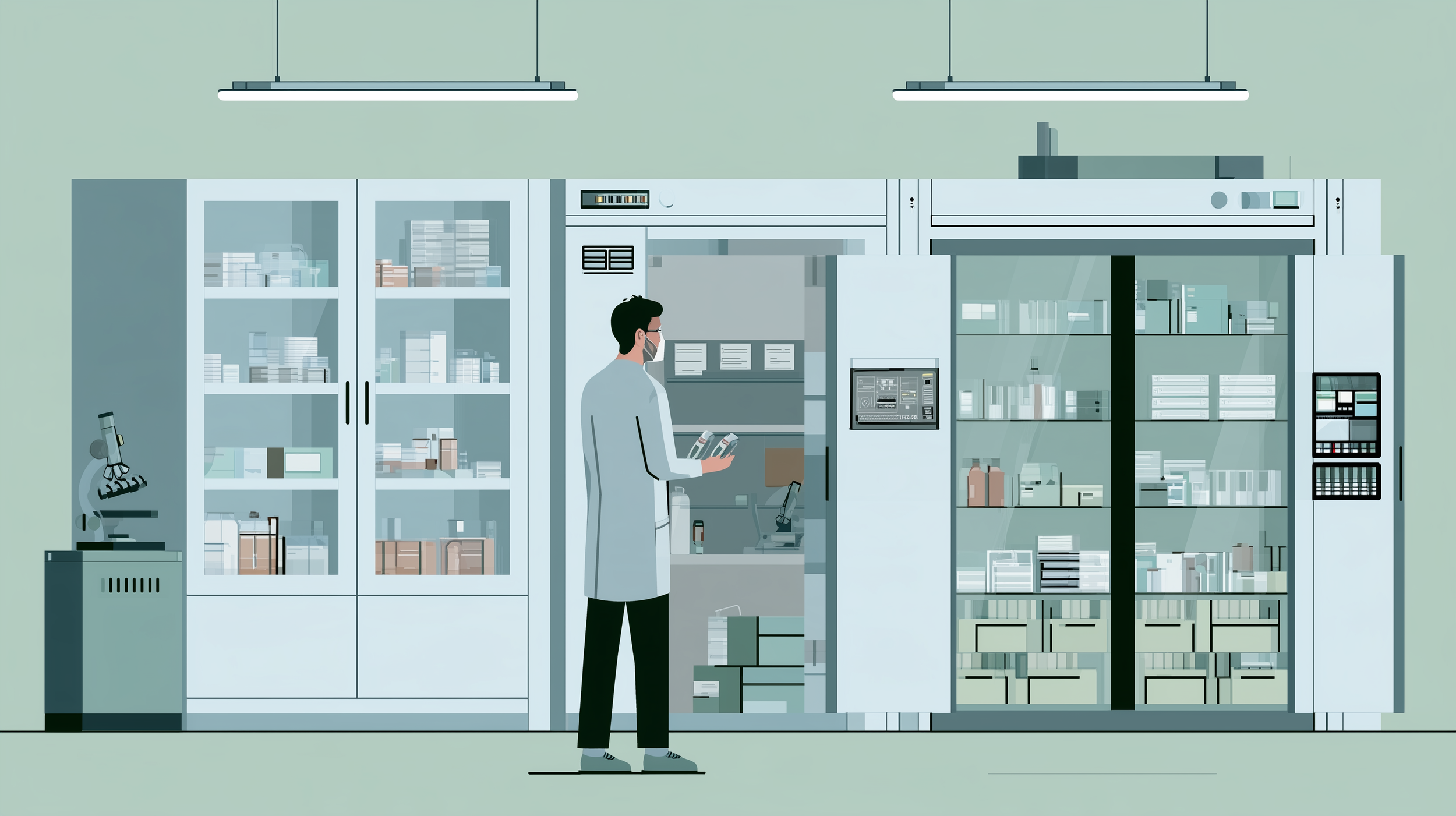
Facilities adding walk-in cold storage usually choose between a modular room and a custom-engineered room. Here, we will discuss the two options and how you can make an informed decision when building out your next unit.
So, what is a modular cold room?
A modular cold room is a walk-in made from standard insulated panels that are assembled on site. It usually comes with a packaged refrigeration unit. Because it's made of panels, it can often be expanded or taken apart and moved.
Packaged refrigeration units release heat into the room around them, which the building's HVAC system then has to remove. Standard floor panels can handle foot traffic and light carts, but not heavy equipment like forklifts.
And what is a custom-engineered cold room?
A custom-engineered cold room is designed for a specific site and process. It may use the same type of panels as a modular room, since pharmaceutical cold rooms are typically built from prefabricated insulated panels. The difference is that the layout, refrigeration, and floor are planned around the building.
This makes it easier to fit an unusual space or to include features a standard room may not offer, such as a floor for heavy equipment or more than one temperature zone.
Is a modular cold room faster to install than a custom one?
Usually. Most of the design is already done, so the work on site is mainly assembly and connecting refrigeration and power. This helps when space is needed quickly or when construction near active operations needs to be kept short.
A custom room takes longer at the start, because the design and coordination with other contractors happen before construction begins. Most of the schedule risk is early in the project, when changes cost less. For more on planning, see What to Figure Out Before Your Next Facility Expansion.
What building factors decide between modular and custom?
The main factors are the floor, heat and power, and access for service. Any one of them can determine which option works.
Can a freezer room go on an existing floor?
Sometimes, but it often requires extra work. Freezer rooms generally need floor heating to keep the ground below from freezing, because frozen ground can crack a concrete floor over time. On an existing floor, this added layer can raise the room above the surrounding floor, which may require a ramp.
Where does the heat from a cold room go?
A cold room removes heat from the space it cools and releases it somewhere else. A packaged unit releases heat into the surrounding room, so the building's HVAC system has to remove it. Other systems release heat outdoors, which requires space for that equipment outside. Power needs matter too. Both topics are covered in What Does Your Facility Need to Support Ultra-Low Equipment?
Why does cold room placement matter for maintenance?
Technicians need access to the room for maintenance. WHO recommends placing cold rooms so the walls and roof can be reached for maintenance and inspection. A room in a tight corner or under a low ceiling is harder to service.
Can a cold room be expanded or relocated later?
Yes, though modular rooms are easier to expand or move. WHO guidance on pharmaceutical storage buildings says long-term flexibility is critical because layouts change over a building's life. Modular panels can be added or moved if storage needs change. Custom rooms can also be designed for future growth by setting aside space and refrigeration capacity.
Moving or significantly changing a qualified room can trigger requalification, whether it's modular or custom. WHO also calls for repeating temperature mapping after any significant change to the building, stock layout, or cooling system.
Do modular cold rooms need IQ, OQ, and PQ?
Yes, if the room stores GMP-regulated product. The qualification steps are the same for modular and custom rooms. WHO guidance says all cold rooms and freezer rooms should be qualified, temperature-mapped, and continuously monitored. For an overview of each step, see our practical guide to IQ, OQ, and PQ.
How do you choose between a modular and custom cold room?
These six questions can help narrow down the choice:
What temperatures are needed now, and could that change?
Will forklifts or pallet jacks be used inside the room?
Can the building handle the extra heat and power demand?
How soon is the space needed, and how much construction can operations handle?
Is the facility likely to expand, reconfigure, or move in the next ten years?
How much backup protection does the stored product need?
Frequently asked questions
Are modular cold rooms suitable for GMP pharmaceutical storage?
They can be. WHO notes that pharmaceutical cold rooms and freezer rooms are typically built from prefabricated insulated panels. The finished room still has to be qualified, temperature-mapped, and continuously monitored for the product it will store.
Does a cold room need continuous temperature monitoring?
For pharmaceutical storage, yes. WHO guidance says freezer rooms, cold rooms, and other temperature-controlled storage areas should all have continuous temperature monitoring. Its monitoring guidance also calls for alarms that automatically alert key staff by phone or text.
Who should be involved in planning a new cold room?
Usually more than the facilities team. WHO guidance on storage projects recommends involving the team that will commission and run the space during design. Its monitoring guidance has quality, operations, and IT staff review the requirements together.
How often should a cold room be temperature mapped?
WHO guidance calls for mapping in both hot and cold seasons at the start, then at regular intervals and after any significant change to the building, stock layout, or cooling system. The facility's quality system sets the exact schedule.
If you have questions about modular or custom cold rooms, contact us.